Intro. to Visual Arts
Introduction to Visual Arts
Visual arts refer to a broad and diverse category of artistic expression that encompasses various forms of visual communication and creative representation. These art forms primarily rely on visual elements, such as color, shape, line, texture, and space, to convey ideas, emotions, and messages.
Key aspects of visual arts include:
 |
| Medium of Art |
 |
| Elements of Art & Principles of Design |
Creativity and Expression: Visual arts provide a platform for artists to express their creativity, thoughts, emotions, and perspectives. Art often serves as a means of self-expression, social commentary, or a reflection of cultural and historical contexts.
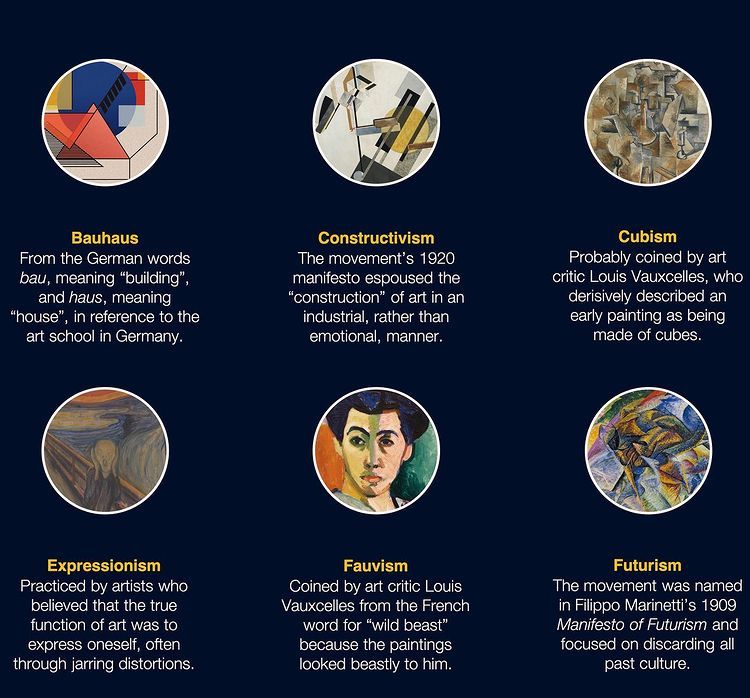 |
| Art Movements |
Artistic Processes: Creating visual art involves a creative process that varies from artist to artist. This process can include brainstorming, sketching, experimentation, and revision, leading to the final artwork.
| Art Education |
Art Education: Many educational institutions offer programs in visual arts to help individuals develop their artistic skills and knowledge. These programs often cover art history, theory, and various techniques and media.
Visual arts play a crucial role in culture, society, and personal expression. They have the power to inspire, challenge, and provoke thought and emotion. Artists, through their creations, contribute to the rich tapestry of human experience and provide a visual record of the world's history and evolving perspectives.
Comments
Post a Comment