Logo Design
Logo-design is a crucial aspect of branding and visual identity. A well-designed logo can effectively communicate a company's or organization's values, mission, and personality. It's often the first impression a potential customer or viewer has of a brand. Here are some key considerations and steps involved in logo design:

1. Define Your Brand: Before diving into design, clarify your brand's identity. What are your core values, mission, and unique selling points? Understanding your brand is essential to creating a logo that reflects it.
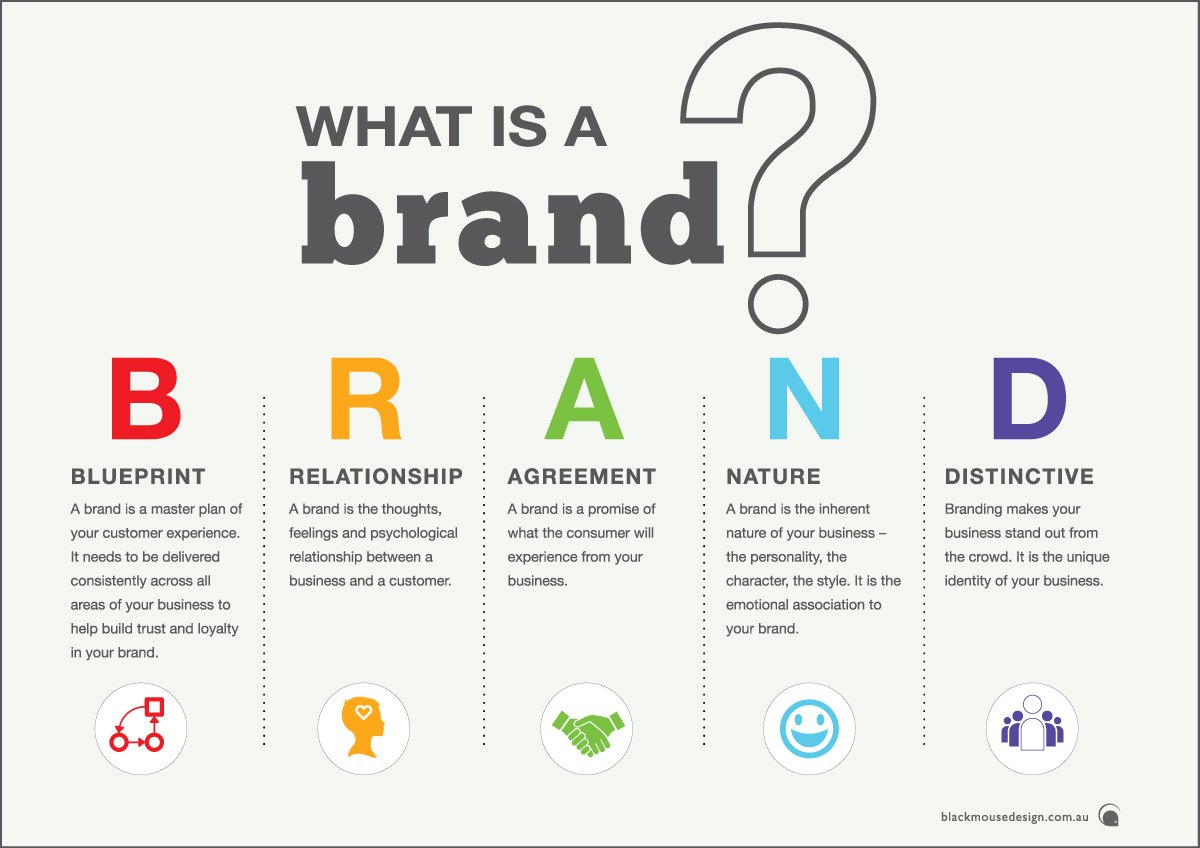
2. Research and Inspiration: Study your industry and competitors. Analyze their logos to identify trends, common elements, and unique approaches. Research can provide valuable insights into what works and what doesn't in your field.
3. Simplicity is Key: Keep your logo simple and memorable. Often, the most iconic logos are those with clean, straightforward designs that are easy to recognize and reproduce in various contexts.
4. Versatility: Ensure that your logo works well in different sizes and across various media, from business cards to billboards. A scalable design is crucial for maintaining consistency in branding.
5. Color Selection: Choose colors carefully. Different colors evoke different emotions and associations. Consider your brand's personality and target audience when selecting colors.
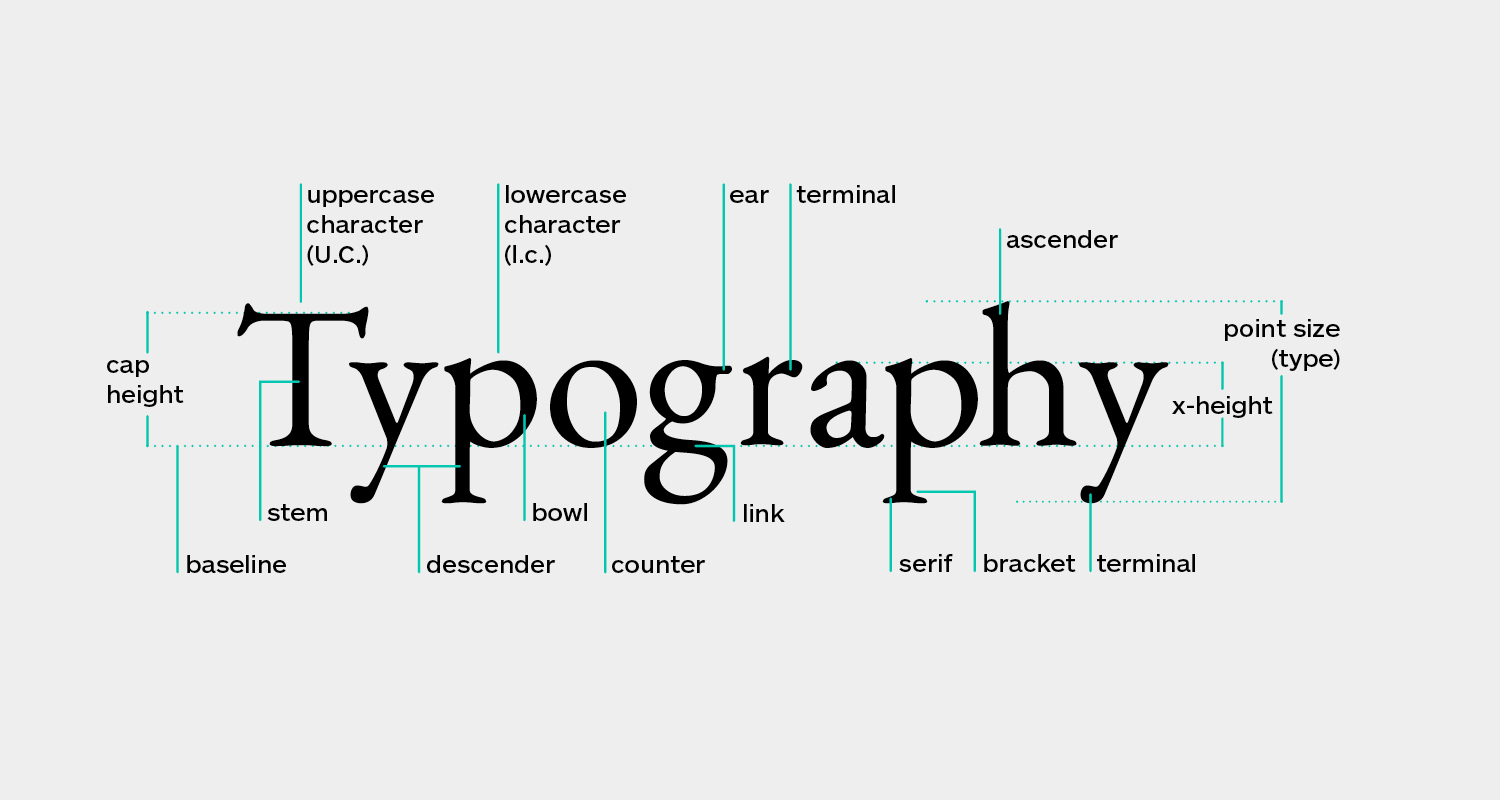
6. Typography: If your logo includes text, select a font that complements your brand's style. Custom typography can help create a unique identity, but readability is paramount.
7. Icon or Symbol: Consider whether your logo needs an icon or symbol. Sometimes, a simple, recognizable symbol can enhance brand recognition.
8. Digital Design: Use graphic design software like Adobe Illustrator or vector-based tools to create a digital version of your logo. Vector formats ensure your logo can be re-sized without loss of quality.
9.Sketch and Conceptualize: Start with rough sketches and ideas. Explore various concepts and design elements before moving to digital design tools.
10. Test and Iterate: Show your logo to colleagues, friends, or focus groups to gather feedback. Be open to revisions and refinements based on their input.
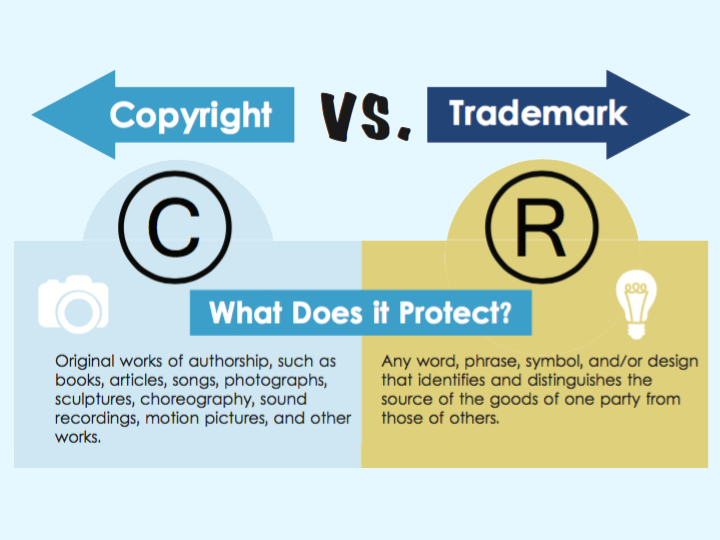
11. Copyright and Trademarks: Ensure your logo design doesn't infringe on existing trademarks or copyrights. It's essential to have a unique and legally protected logo.
12. Professional Help: If you're not confident in your design skills, consider hiring a professional graphic designer. They can help bring your vision to life and ensure a polished, effective logo.
13. Brand Guidelines: Create a set of brand guidelines that outline how your logo should be used, including colors, size, spacing, and placement. Consistency is key in maintaining brand identity.

14. Adaptability: Over time, you may need to adapt your logo to suit changing trends or evolving brand messages. Be open to updating your logo if necessary, but do so thoughtfully to maintain brand recognition.
Remember that a logo is just one element of your overall brand identity. It should align with your brand's values and messaging and resonate with your target audience. A well-designed logo can help build brand recognition and trust, making it a valuable asset for your business or organization.

Comments
Post a Comment